Philanthropy was a big and complicated word to me until recently. Even though I have participated in fundraisers, volunteered, and been involved in charitable initiatives since my Girl Scout days, philanthropy always seemed like something associated with adults, established organizations, and people with significant financial resources. I had never considered that teenagers could become philanthropists themselves, making decisions about funding and supporting causes they care about.
This is what makes Honeycomb’s work particularly interesting. As an umbrella organization operating at the intersection of teen engagement, empowerment, and philanthropy education, Honeycomb helps make philanthropy accessible to young people. Through structured programs supported by Honeycomb, teens gain the knowledge and practical skills to identify community needs, evaluate nonprofit organizations, manage budgets, and award grants. These programs also help teens learn how to collaborate, navigate disagreements, and reach consensus.
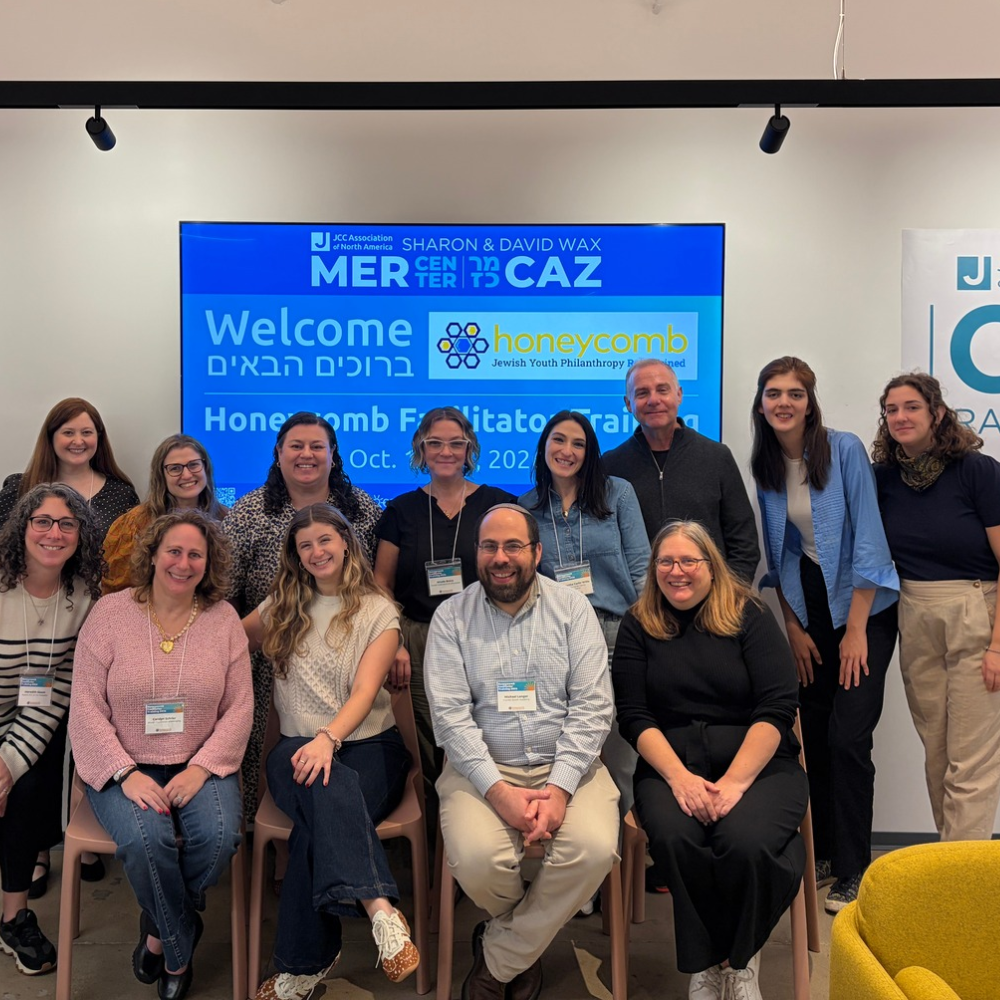
In October, Honeycomb held its annual two-day Facilitator Training in New York City. The workshop was designed for facilitators who guide teens through the philanthropic process. Working with teenagers requires a particular set of skills, and facilitation itself is more complex than it might initially appear. Facilitation often looks effortless because experienced facilitators spend considerable time preparing and mastering their skills. Behind a seemingly simple activity is careful preparation, thoughtfully designed materials and instructions, and questions that encourage participants to think independently.
One particularly effective approach during Honeycomb training was placing participants in the teens’ shoes. We worked through activities as teenagers would, while the trainers modeled the facilitators’ roles. This gave us an opportunity to experience the learning process and see how facilitators create an environment that encourages participation while allowing teens to make their own decisions. My goal attending this training was to better understand the facilitator’s role, and I came to see the facilitator as something of a performer, creating realistic situations in which participants can practice collaboration, problem-solving, and decision-making. Another important aspect of facilitation I learned knowing when to step back because facilitators do not need to provide answers or resolve every disagreement, instead guide participants through the process of finding solutions themselves.
One of my favorite sessions was led by guest speakers Mara Braunfeld and Yaffa Epstein from the Jewish Education Project. They shared approaches to engaging young people with complex, meaningful content without losing their attention. Yaffa spoke with wonderful humor and energy. It was a demonstration of how a facilitator’s delivery can make even challenging material engaging and accessible. In her session, I learned the importance philanthropy through a Jewish lens. In Jewish tradition, tzedakah is more than voluntary generosity; it is a moral obligation rooted in justice and responsibility. We all need tools and knowledge to fulfill this obligation and understand how we can become philanthropists ourselves. By introducing teens to philanthropy early, programs like these help them explore what those values mean in practice, equipping them with the skills and confidence to make an impact on the causes they care about.
Another important aspect was the practical side of grantmaking, including nonprofit evaluation, funding strategies, and Requests for Proposals (RFPs). I found it interesting to learn about the relationship between grant makers and nonprofit organizations, including the importance of allowing sufficient time, generally two to six weeks, for nonprofits to prepare their responses.
As an intern, I can see both sides of the training: the preparation that takes place in the office and the experience of participating in the workshop itself. I now have a better appreciation of the considerable work involved in preparing facilitators to guide teens.
Maa’ya Mueller, Honeycomb Fall Intern 2026